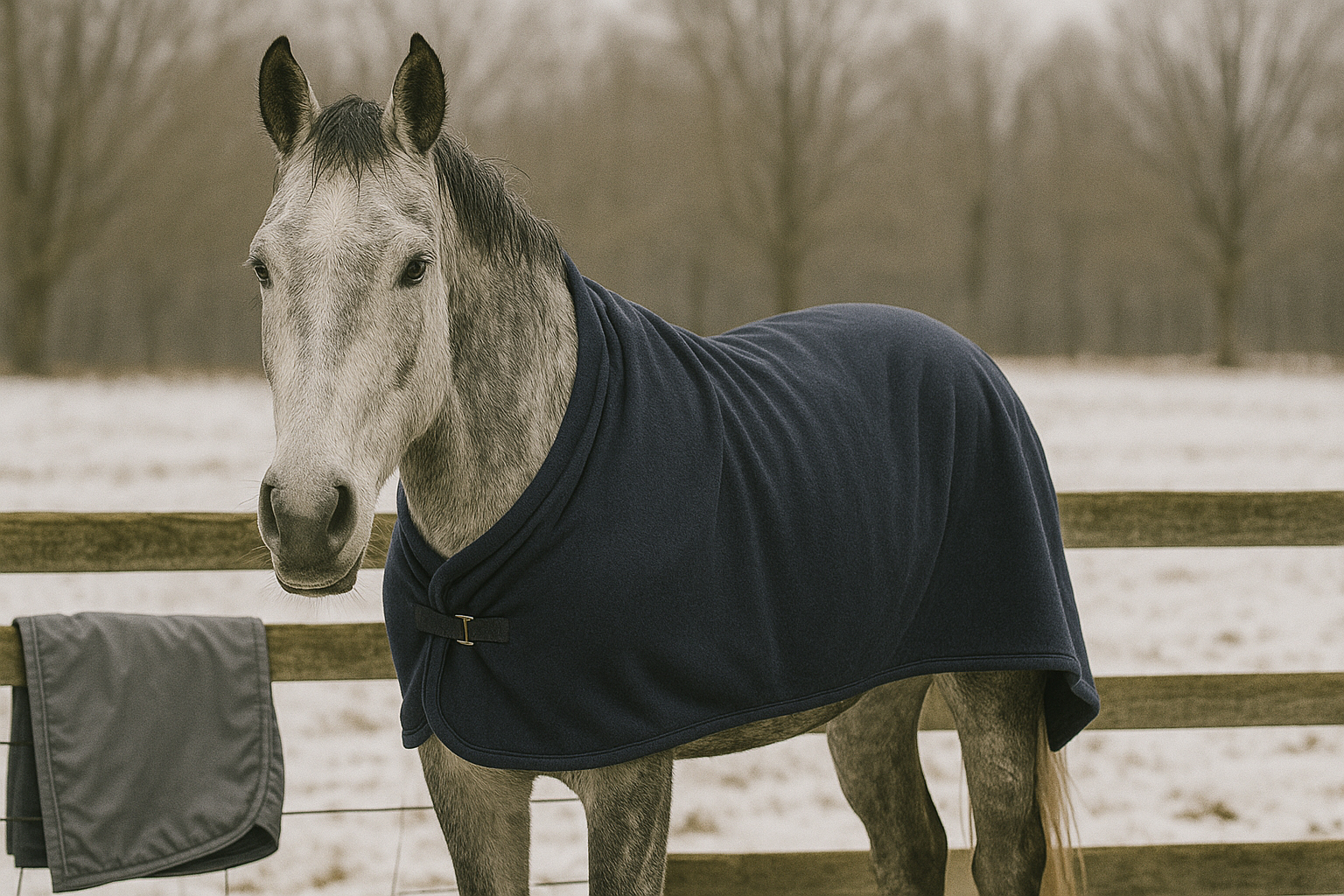

Blanketing a wet horse can be tricky—and potentially unsafe—if not done correctly. Whether your horse got caught in a sudden Colorado snowfall, was sweaty after a ride, or came in soaked from cold rain, knowing how to manage a wet coat is essential for comfort and health.
Blanketing a damp horse the wrong way can trap moisture, chill your horse, and increase the risk of skin issues. But with the right drying layers and proper technique, you can blanket a wet horse safely while helping the horse dry efficiently.
Here’s everything you need to know.
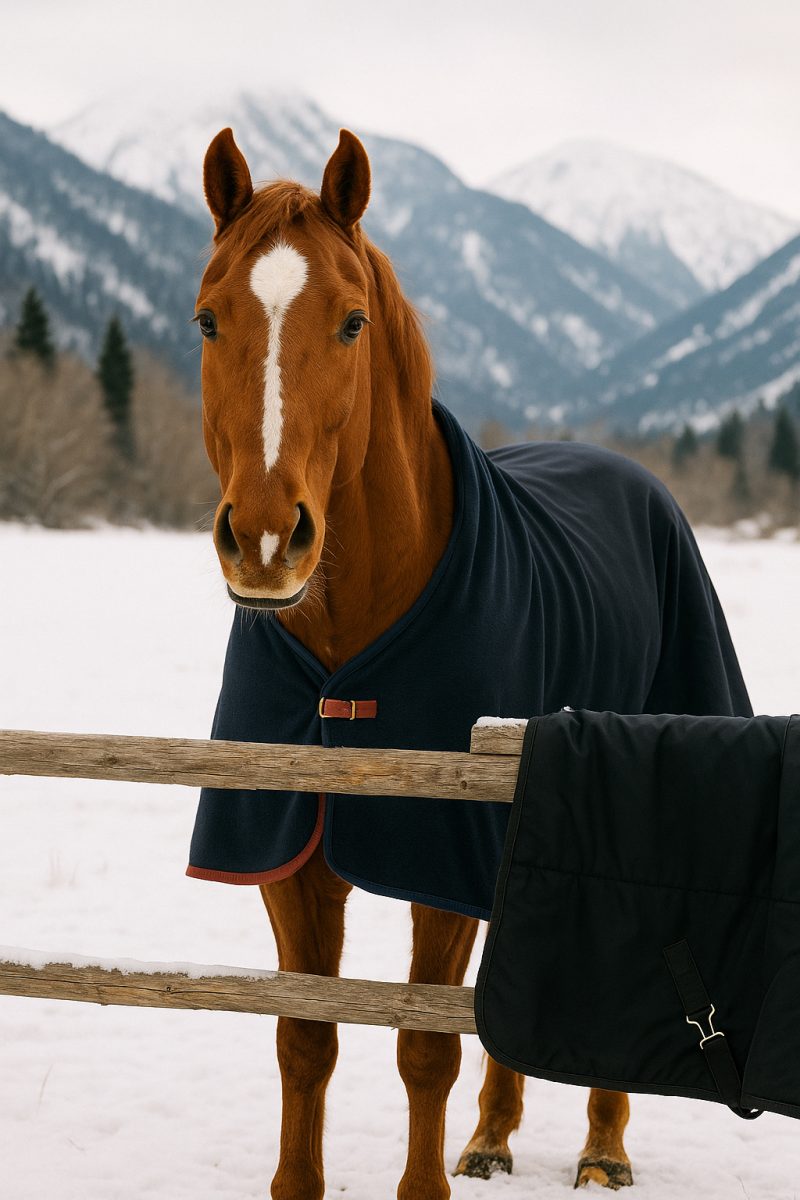
Why You Shouldn’t Blanket a Wet Horse With a Regular Blanket
Standard turnout blankets and stable blankets are not designed to go directly on a wet coat.
Doing so can:
- Trap moisture against the skin
- Prevent proper drying
- Cause chills or overheating
- Create perfect conditions for rain rot or skin infections
- Make your horse uncomfortable or irritable
A wet coat needs airflow and moisture-wicking—not insulation.
The Secret: Use a Proper Drying Layer
To blanket a wet horse safely, you need a moisture-wicking, breathable layer designed specifically to dry the coat. These layers work the same way athletic base layers work for humans—they pull moisture away from the skin and allow it to evaporate.
Best Options for Drying Layers:
- Wool coolers (excellent natural moisture-wicking)
- Fleece coolers (lightweight and highly effective)
- Thermo-knit coolers
- Wicking combo sheets
- Irish knit sheets
These materials lift moisture from the coat and move it outward, gradually drying the horse underneath.
How to Layer Properly
Step 1: Put on the drying layer first
This wicking layer should go directly on the horse’s wet coat.
Make sure:
- It fits smoothly
- It isn’t bunched or tight
- It covers the chest and hindquarters
Step 2: Add a turnout or insulated blanket on top (if needed)
If it’s cold outside and your horse needs warmth, you can add a second blanket over the drying layer.
Important notes:
- The outer layer should be waterproof if your horse will go outdoors
- Do not use a heavy blanket unless your horse needs the warmth
- Check that the layers don’t restrict movement
Step 3: Monitor the drying process
As the drying layer wicks moisture away, it will become damp.
Check your horse every 20–45 minutes.
When the inner layer is damp:
- Remove it
- Replace with another dry cooler if necessary
- Or remove all layers once the coat is mostly dry
Tip:
If your horse is only damp or sweaty—not soaked—one drying layer may be enough.
How Long Does It Take?
Drying time depends on:
- Coat length
- How wet the horse is
- Ambient temperature
- Airflow
- Layer type
Most horses dry in 30–90 minutes with a proper wicking layer.
Should You Turn Out a Wet Horse in Winter?
You can turn out a damp horse in winter if:
- They have a waterproof outer layer
- The drying layer underneath is breathable
- Conditions aren’t extreme
- They have adequate shelter
If the coat is dripping wet, it’s best to wait until the horse is more dry before turning them out with a blanket and drying layer.
Common Mistakes to Avoid
- Putting a turnout blanket directly on a wet coat
- Using a non-breathable material as the first layer
- Leaving a damp cooler on too long
- Using a stable sheet outdoors in wet conditions
- Blanketing too heavily, causing sweat buildup
These mistakes trap moisture and create bigger issues than the original wet coat.
Blanketing a wet horse isn’t complicated—but it does require the right approach. By using a proper drying layer and monitoring your horse as they dry, you can keep them warm, comfortable, and healthy, even on the coldest Colorado days.
If you’re prepared with the right layers and a bit of patience, your horse will be cozy and dry in no time.
Have your own tips for blanketing a wet horse?
Drop them in the comments—your experience might help another horse owner!

Author: Una
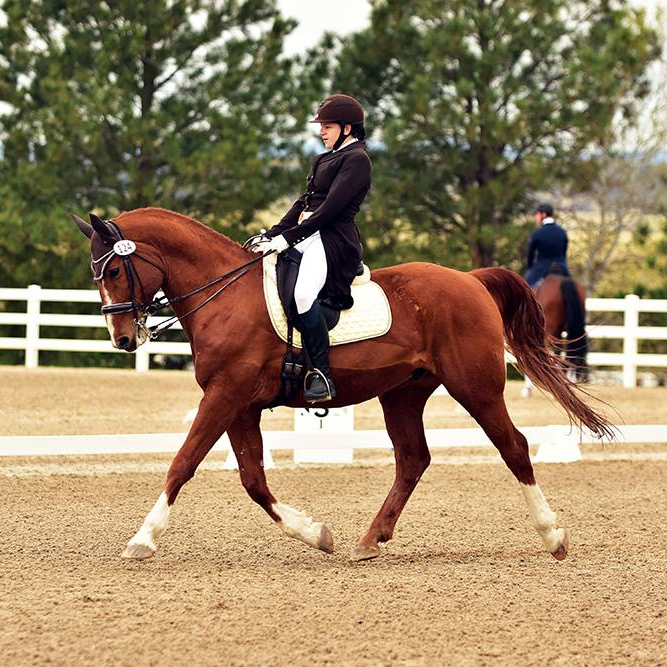
Una moved to Colorado in 2007 and started the Colorado Horse Forum as a way to meet other equestrians in the area. Una now rides and competes in dressage. She operates a small dressage horse breeding program in Castle Rock.


Leave a Reply
You must be logged in to post a comment.