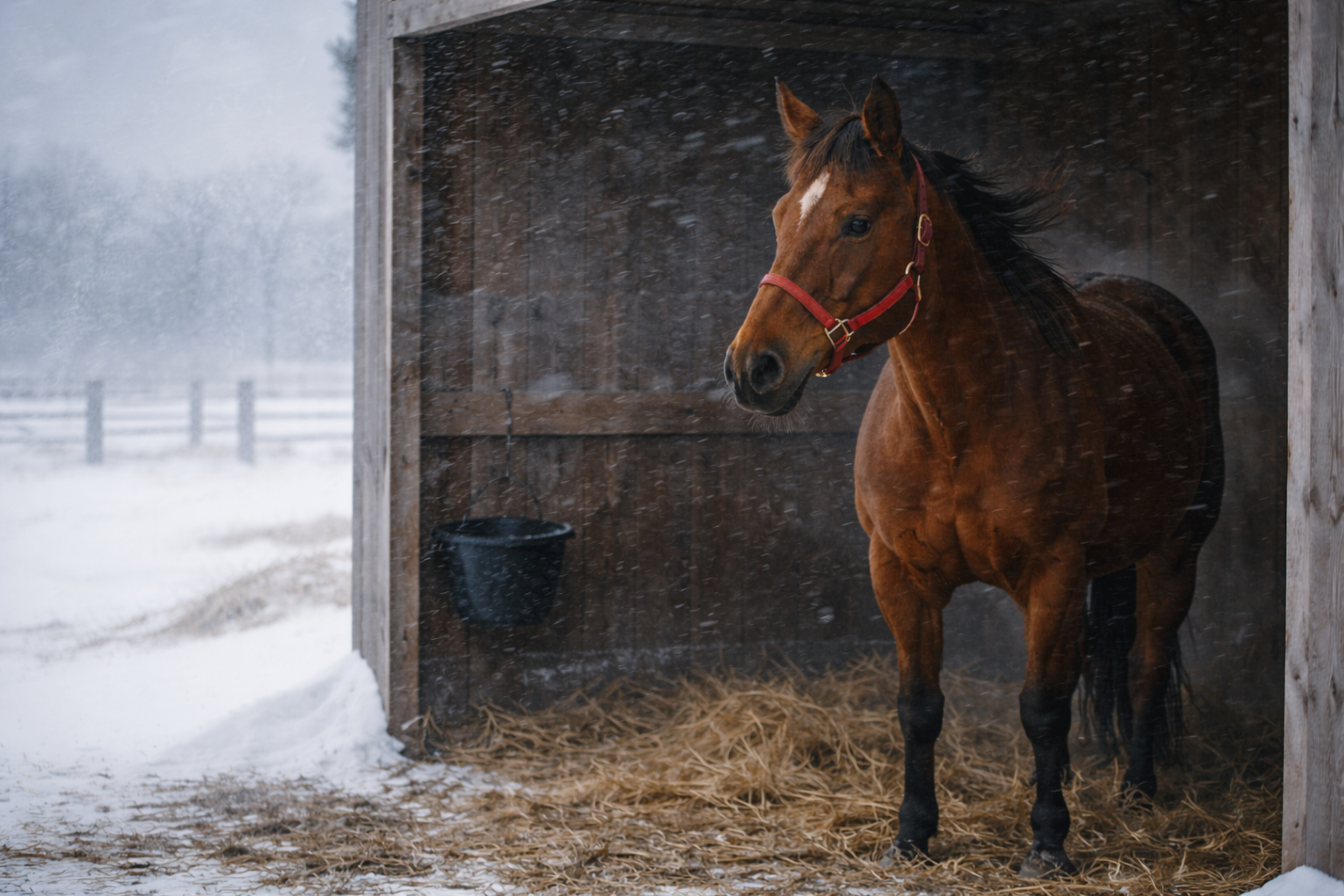

Colorado horse owners are no strangers to dramatic weather changes. One day might bring sunshine and mild temperatures, while the next could deliver snow, wind, and a sudden drop of 30 degrees or more. While horses are generally hardy animals (ok, who are we kidding LOL), rapid weather swings can increase the risk of gastric distress—commonly referred to as colic.
Understanding why these changes affect horses and taking a few proactive steps can help reduce the risk during volatile weather patterns.
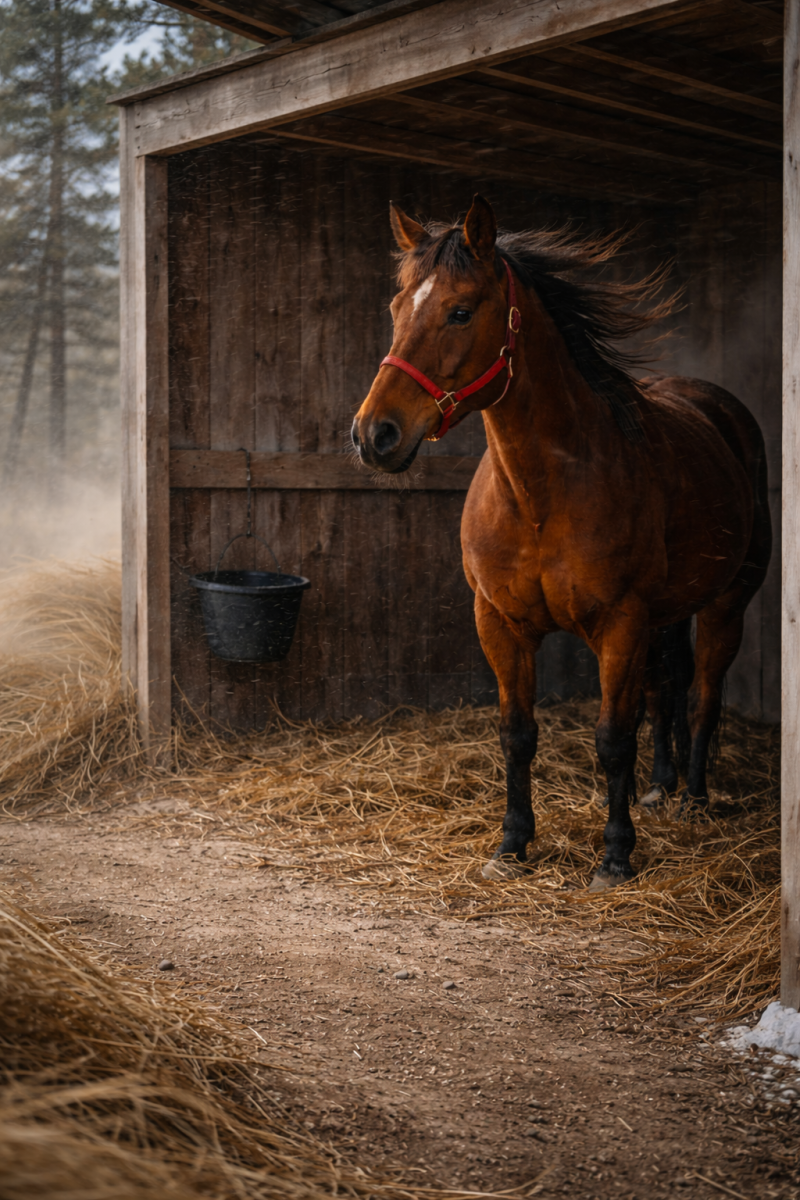
Why Sudden Weather Changes Can Trigger Colic
A horse’s digestive system is extremely sensitive to changes in routine and environment. Rapid weather swings can disrupt normal eating, drinking, and gut motility patterns.
Some common factors during temperature fluctuations include:
Reduced water intake
When temperatures suddenly drop, horses often drink less water. Dehydration can contribute to impaction colic, particularly when horses are consuming dry hay.
Changes in barometric pressure
Although still being studied, many veterinarians report increased colic cases during periods of rapid weather shifts, suggesting pressure changes may affect gut motility.
Dietary fluctuations
Weather swings sometimes alter feeding routines—such as increasing grain, feeding different hay, or adding supplements—which can upset digestive balance.
Reduced movement
Storms, icy footing, or extreme wind may keep horses stalled or limit turnout, reducing natural movement that helps keep the digestive tract functioning properly.
Signs of Gastric Distress to Watch For
Early detection is critical when dealing with colic. Horse owners should watch for:
- Pawing or restlessness
- Looking at the flank
- Rolling or attempting to lie down repeatedly
- Lack of appetite
- Reduced manure production
- Sweating or elevated heart rate
If you suspect colic, contact your veterinarian immediately.
Practical Tips to Reduce Colic Risk During Weather Swings
While no management strategy can eliminate colic risk entirely, several steps can help support digestive health during unstable weather.
1. Prioritize Water Intake
Hydration is one of the most important factors in preventing colic.
- Check water sources frequently to ensure they aren’t frozen or dirty.
- Consider heated buckets or tank heaters in winter.
- Provide fresh, clean water at all times.
- Feeding a warm mash or soaked feed (of their normal grain rations) during cold snaps may encourage some additional water consumption.
2. Maintain a Consistent Feeding Routine
Horses thrive on routine. Sudden feed changes can disrupt gut microbes and digestion.
- Feed at the same times each day.
- Avoid sudden changes in hay or grain types.
- If adjustments are needed, transition slowly over several days.
3. Maximize Turnout and Movement
Movement helps keep the digestive system active.
- Turn horses out whenever safe conditions allow.
- If turnout is limited, encourage hand walking or light exercise.
4. Provide Plenty of Forage
Continuous forage intake supports healthy gut motility.
- Offer free-choice hay when possible.
- Avoid long periods where horses have nothing to eat.
5. Monitor Salt Intake
Salt encourages drinking.
- Provide free-choice salt blocks or loose salt.
- Some horses drink more when salt is added to feed.
6. Watch Body Condition and Stress Levels
Weather swings can increase stress, especially for horses sensitive to environmental changes.
- Ensure horses have adequate shelter from wind and precipitation.
- Use blankets appropriately if needed, but avoid overheating during sudden warm-ups.
Colorado Weather Requires Extra Awareness
Colorado’s climate can shift quickly—sometimes within hours. Because these swings can influence hydration, feeding behavior, and gut function, horse owners should stay especially attentive during forecasted temperature fluctuations.
Small management adjustments during these periods can go a long way toward protecting digestive health and preventing colic.
Colic is one of the most common equine emergencies, but many risk factors can be managed proactively. By maintaining consistent routines, ensuring adequate hydration, and paying close attention to horses during major weather changes, owners can help reduce the chances of digestive distress.
When Colorado weather keeps everyone guessing, extra vigilance in the barn can make all the difference.

Author: Una
Una moved to Colorado in 2007 and started the Colorado Horse Forum as a way to meet other equestrians in the area. Una now rides and competes in dressage. She operates a small dressage horse breeding program in Castle Rock.


Leave a Reply
You must be logged in to post a comment.