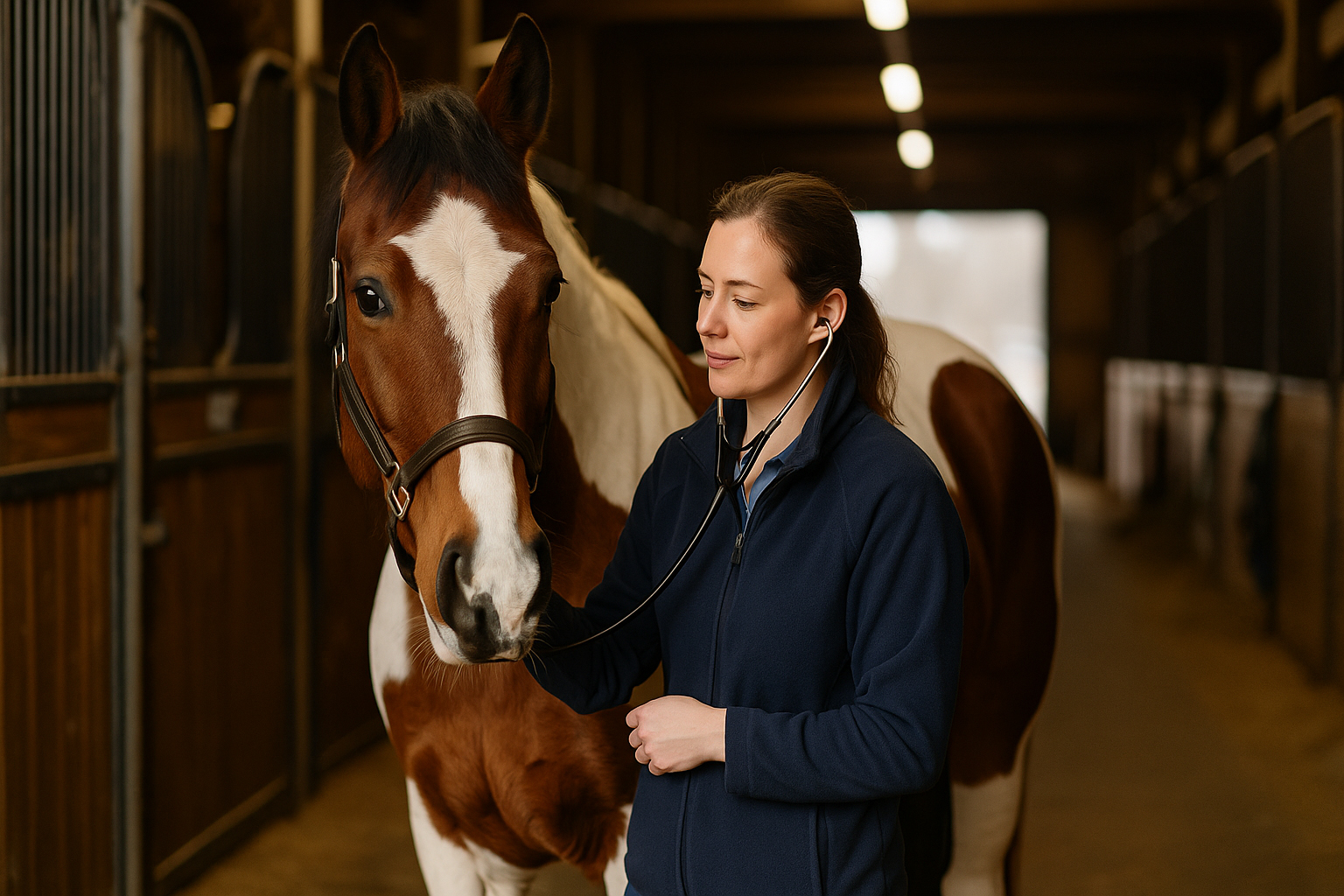

As updates on the current EHV-1 situation slow down, many horse owners are beginning to hope that the outbreak is fading or finally under control. While that hope is understandable, a lull in official reports does not mean the virus has stopped circulating. In fact, this stage of an outbreak is often the most misunderstood — and potentially the most dangerous — because the visible information stops long before the actual risk does.
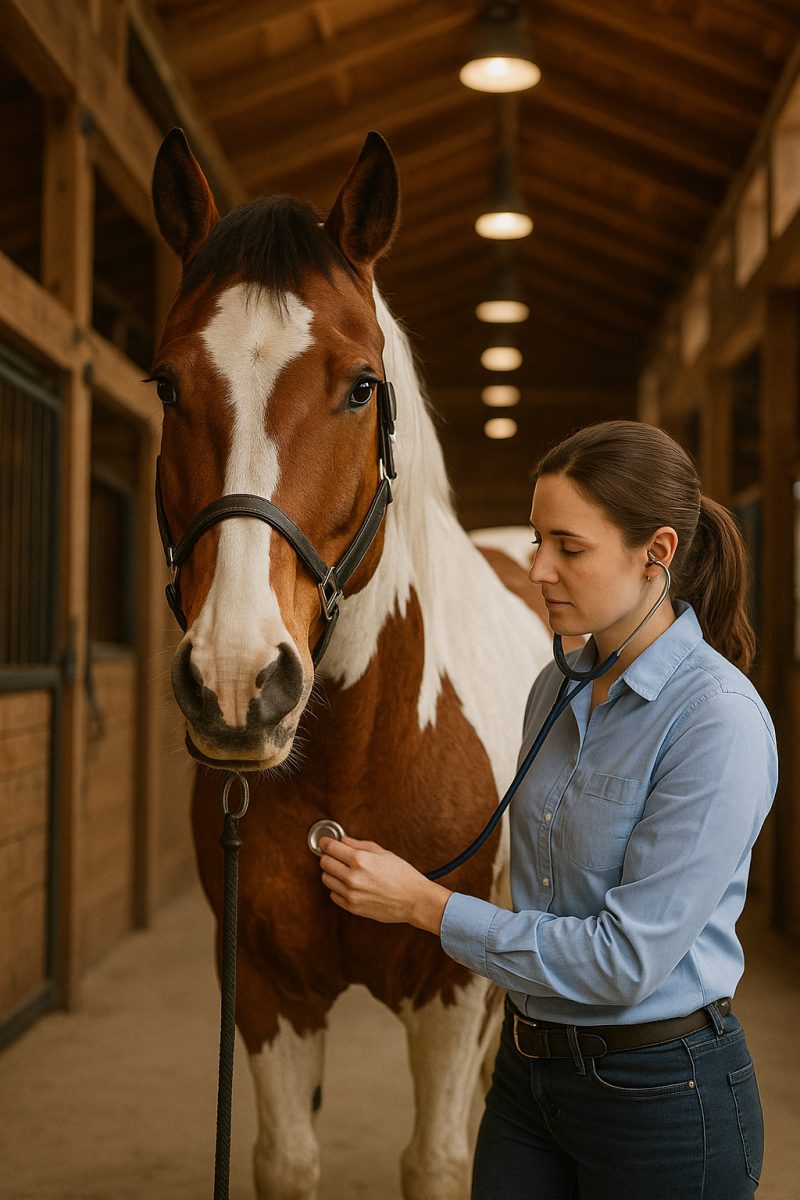
Here’s what every horse owner should know right now about what’s happening behind the scenes.
1. We are still well within the incubation period
EHV-1 has a long and variable incubation window, which means exposed horses can appear totally healthy for days or even weeks before showing signs of illness.
Most commonly:
- Fevers may not appear until 2–14 days after exposure
- Respiratory signs may take 7–21 days to develop
- Neurological symptoms can take up to 21 days or longer
A horse can behave normally all morning and spike a high fever that same evening. The virus follows its own timeline, not the reporting schedule.
2. Horses can spread the virus before symptoms appear
One of the most challenging aspects of EHV-1 is that horses can shed the virus before they show any outward signs of illness. This shedding can begin 12–48 hours before a fever, and it continues throughout the fever stage — and sometimes beyond it.
Shedding can occur through:
- Nasal secretions
- Coughing
- Shared water sources
- Buckets, hoses, and grooming tools
- Contaminated hands, clothing, and surfaces
- Trailers, gates, and arena equipment
A horse at an event may look perfectly healthy while still transmitting the virus to others — and that exposure won’t appear in any official report.
3. Many cases never get documented
EHV-1 symptoms vary widely. Some horses develop thick nasal discharge or a noticeable cough. Others may only have a mild fever for a few hours. Some show almost no respiratory signs at all.
Because of this, many horses:
- Are treated at home
- Never receive a PCR test
- Are not reported to state officials
- Recover without ever entering the data stream
These “invisible” cases contribute to ongoing spread but never show up in the daily numbers.
4. Underreporting is extremely common — and expected
There are many reasons a case might go unreported, including:
- Concern about required quarantine
- Worry about financial impact
- Fear of judgment or backlash
- Belief that symptoms are minor
- Lack of awareness about reporting guidelines
- Hope that the issue will resolve without intervention
Because of this, official case counts represent only a fraction of what is happening within the equine community.
5. Horses have continued to travel — and the virus travels with them
Despite early warnings, many horses have continued to haul to jackpots, lessons, clinics, winter series events, practices, and futurities. Some barns resumed normal operations almost immediately.
EHV-1 spreads when horses move. A decrease in public reporting does not indicate a decrease in transmission.
6. What owners should monitor right now
Even if your horse seems perfectly normal, continued monitoring is crucial.
Temperature
- Anything above 101.5°F is suspicious
- 103–105°F fevers are common in viral cases
- Evening temperature spikes are typical
EHV-1 Respiratory Signs
- Clear or watery discharge
- Thick or yellow mucus
- Coughing or increased swallowing
(Not all horses develop nasal discharge.)
EHM Neurological Signs — urgent red flags
- Nasal discharge
- Incoordination
- Hind limb weakness
- Loss of tail tone
- Lethargy
- Urine dribbling
- Head tilt
- Leaning against a fence or wall to maintain balance
- Inability to rise
Any neurological sign warrants immediate isolation and veterinary contact.
7. Is the EHV-1/EHM outbreak contained?
No — and it is too early to assume that it is.
Containment requires:
- Consistent temperature checks
- Strict isolation practices
- Reliable testing
- Transparent reporting
- Restricted horse movement
These measures are not happening universally, which means the true scope of the outbreak is unknown. A lack of new reports only means that the visible tip of the iceberg is quiet — not that the risk has passed.
8. What horse owners should focus on right now
Practical steps to reduce risk:
- Take temperatures twice daily
- Limit travel when possible
- Isolate returning horses for at least 21 days
- Use separate water buckets and avoid shared hoses
- Pay attention to even mild symptoms
- Treat every fever seriously
- Communicate openly with barn mates and professionals
- Follow calm, consistent biosecurity procedures
Responsible choices protect not only your own horse, but the entire equestrian community.
Bottom Line
A pause in official numbers does not mean the outbreak is winding down. It does not mean hauling is safe. It does not mean the virus is gone.
It simply means the reportable portion of the outbreak is quiet — not the outbreak itself.
Awareness, honesty, and proactive biosecurity are our strongest tools right now.
Have thoughts or tips on managing biosecurity during outbreaks?
Share them in the comments — your insight may help another horse owner protect their herd.

Author: Una
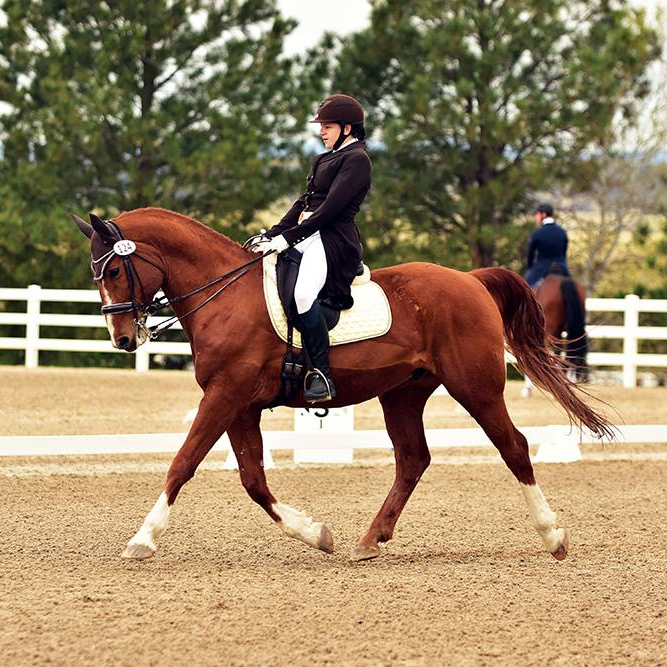
Una moved to Colorado in 2007 and started the Colorado Horse Forum as a way to meet other equestrians in the area. Una now rides and competes in dressage. She operates a small dressage horse breeding program in Castle Rock.


Leave a Reply
You must be logged in to post a comment.