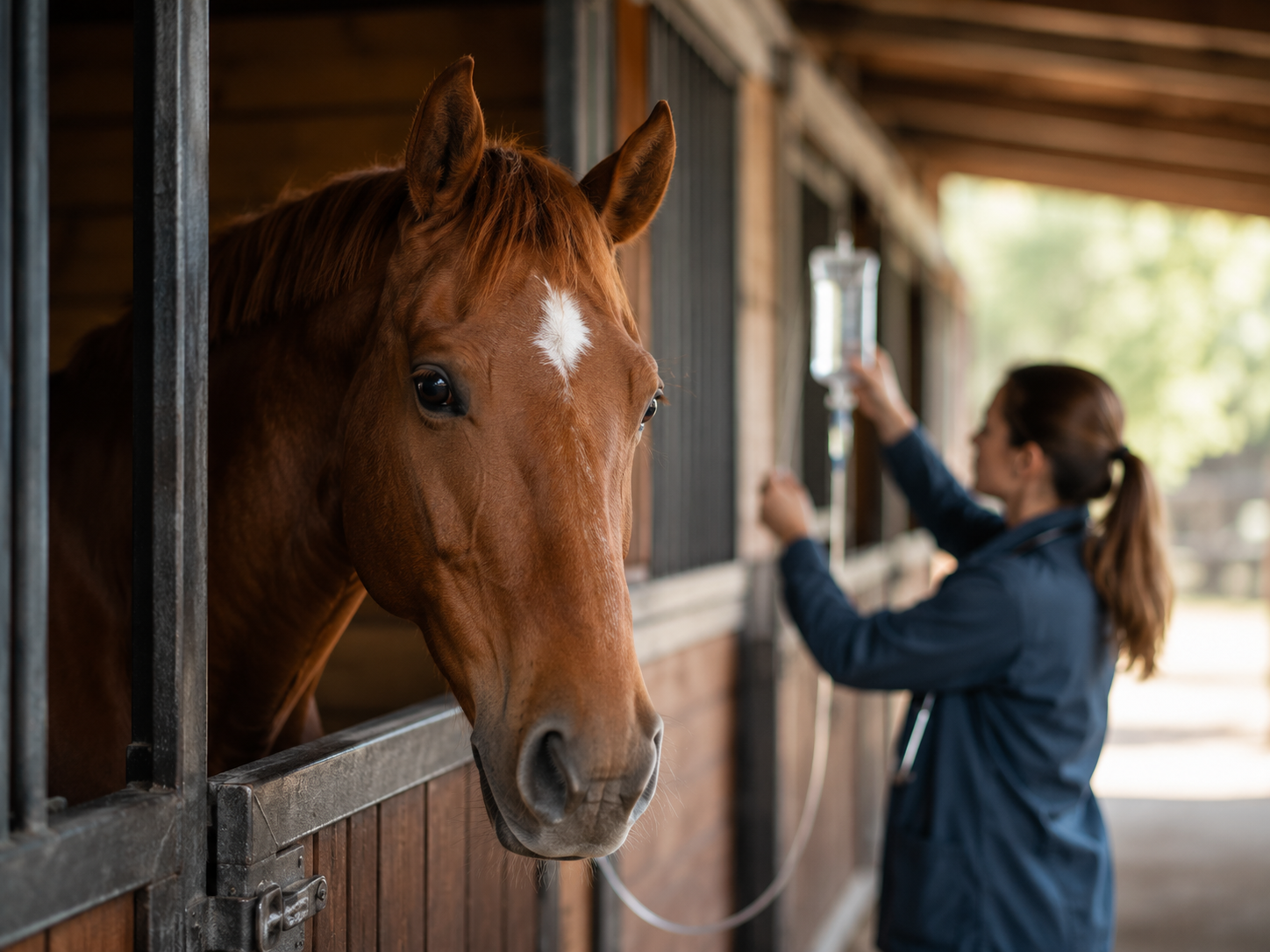

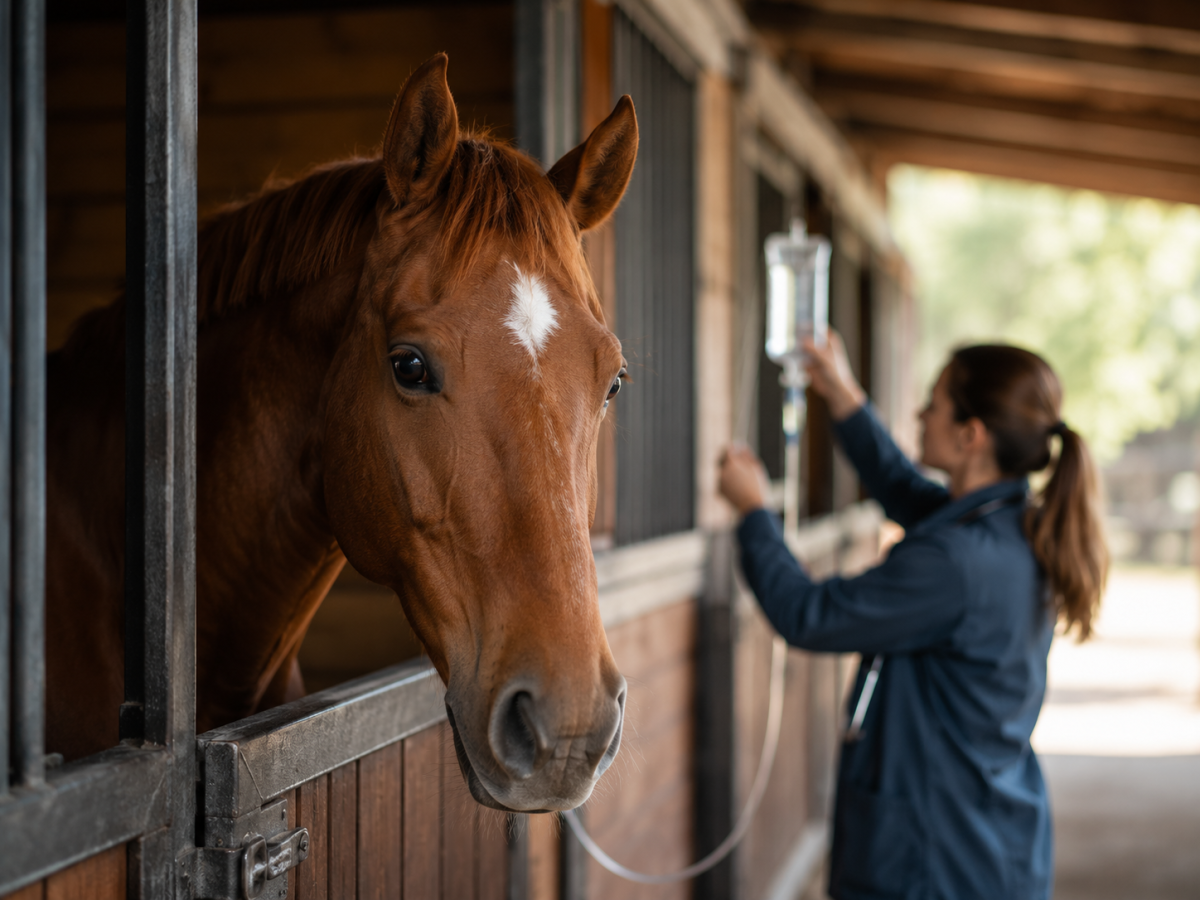
Equine Herpesvirus-1 (EHV-1) remains one of the most concerning infectious diseases in the horse industry. While many horses exposed to the virus develop only mild respiratory illness—or no obvious signs at all—some go on to develop Equine Herpesvirus Myeloencephalopathy (EHM), the neurologic form of the disease that can lead to severe disability or euthanasia.
A recently published study in the Journal of the American Veterinary Medical Association (AVMA) offers encouraging findings for veterinarians and horse owners. Researchers found that horses treated with valacyclovir and heparin during confirmed EHV-1 outbreaks had improved survival and were less likely to develop severe neurologic disease compared to horses that did not receive these medications.
While every EHV-1 outbreak is unique and treatment decisions should always be made by a veterinarian, the study provides valuable information that could help guide future outbreak management.
Understanding EHV-1
Equine Herpesvirus-1 is a highly contagious virus that spreads through direct horse-to-horse contact, respiratory secretions, contaminated equipment, clothing, trailers, and other shared surfaces.
Clinical signs can include:
- Fever
- Nasal discharge
- Cough
- Limb edema
- Reduced appetite
- Lethargy
Some infected horses may later develop neurologic signs associated with Equine Herpesvirus Myeloencephalopathy (EHM), including:
- Hind-end weakness
- Incoordination (ataxia)
- Difficulty standing
- Urinary dysfunction
- Recumbency
Because neurologic disease can progress rapidly, early recognition and veterinary involvement are critical.
What Did the Study Evaluate?
Researchers conducted a multicenter retrospective study involving 111 horses naturally exposed to EHV-1 during outbreaks between August 2017 and March 2018.
EHV-1 infection was confirmed using PCR testing of blood samples or nasal secretions.
The study compared outcomes between horses that received treatment with valacyclovir, heparin, or both, and horses that did not receive these medications.
Researchers also evaluated whether the timing of treatment influenced outcomes.
Key Findings
Among the horses included in the study:
- 22 horses were confirmed positive for EHV-1.
- 9 horses developed the neurologic form of the disease (EHM).
Researchers found that horses receiving valacyclovir before developing clinical signs, followed by heparin once clinical signs appeared, generally experienced better outcomes than untreated horses.
Perhaps the most striking finding involved the untreated horses in the study.
Four EHV-1-positive horses did not receive either valacyclovir or heparin. All four developed severe neurologic disease and were ultimately euthanized.
In contrast, every horse that received treatment with valacyclovir and heparin survived.
The researchers concluded that this treatment approach reduced the incidence of neurologic disease and improved survival during confirmed outbreaks.
Why Timing Appears to Matter
One of the most important takeaways from the research is that early intervention may make a difference.
The study suggests that administering valacyclovir before clinical signs develop—after known exposure during a confirmed outbreak—may help reduce the likelihood of severe disease.
Once horses began showing clinical signs such as fever, limb swelling, or nasal discharge, heparin was added as part of the treatment protocol.
These medications were used in the context of confirmed outbreak management under veterinary supervision—not as routine preventive medication for healthy horses.
What This Means for Horse Owners
While the results are encouraging, horse owners should remember that there is no universal treatment protocol for every EHV-1 exposure.
If your horse has potentially been exposed to EHV-1:
- Contact your veterinarian immediately.
- Monitor temperatures at least twice daily.
- Watch closely for fever, nasal discharge, limb swelling, or neurologic changes.
- Follow all quarantine and biosecurity recommendations.
- Do not begin medications without veterinary guidance.
Treatment decisions depend on numerous factors, including exposure history, the horse’s health status, and current veterinary recommendations.
Biosecurity Remains the Best Defense
Even with promising treatment options, preventing transmission remains the most effective strategy.
Horse owners can reduce risk by:
- Avoiding unnecessary horse movement during outbreaks
- Quarantining new arrivals
- Monitoring temperatures routinely
- Not sharing buckets, tack, or grooming equipment
- Washing hands between handling horses
- Following event and facility biosecurity protocols
A Promising Step Forward
Equine Herpesvirus outbreaks continue to challenge the equine industry, but studies like this provide valuable information that may improve future treatment strategies.
The findings suggest that, under veterinary supervision during confirmed EHV-1 outbreaks, early administration of valacyclovir combined with heparin after clinical signs develop may improve survival and reduce the likelihood of neurologic disease.
Additional research will continue to refine treatment recommendations, but these results offer hope for improving outcomes during one of the horse industry’s most feared infectious diseases.
Click Here to read the full American Veterinary Medical Association (AVMA) study for complete methodology, data, and discussion of the findings.

Author: Una
Una moved to Colorado in 2007 and started the Colorado Horse Forum as a way to meet other equestrians in the area. Una now rides and competes in dressage. She operates a small dressage horse breeding program in Castle Rock.



Leave a Reply
You must be logged in to post a comment.