

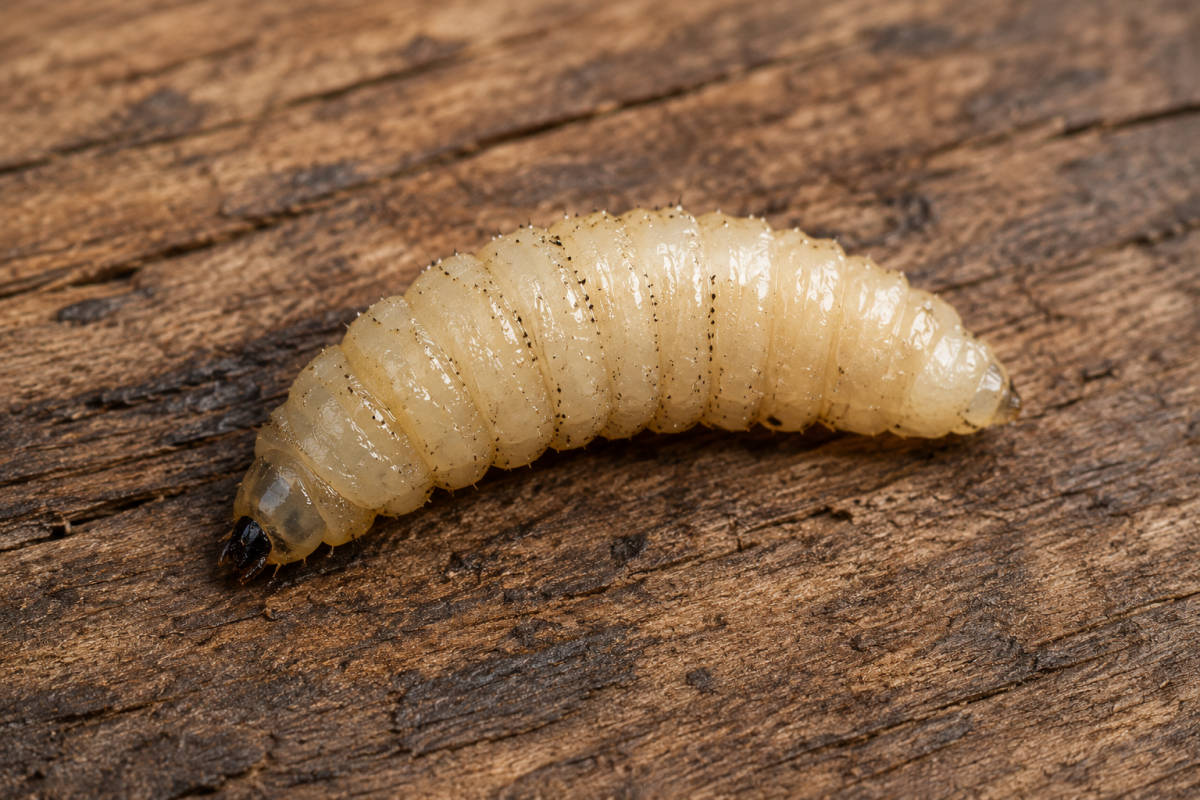
A pest that many veterinarians, ranchers, and livestock producers hoped would remain a chapter in history books has officially returned to the United States.
On June 3, 2026, the USDA confirmed the first U.S. animal case of New World Screwworm (NWS) in Zavala County, Texas. While the immediate risk to Colorado horse and livestock owners remains very low, the detection serves as an important reminder to stay informed—especially for anyone traveling animals to or through affected regions.
🚨 Update: June 8, 2026
Since the publication of this article, additional New World Screwworm (NWS) cases have been confirmed in the United States. As of June 8, 2026, confirmed cases have been identified in Zavala County, Texas; LaSalle County, Texas; Gillespie County, Texas; and Lea County, New Mexico.
While the risk to Colorado horses and livestock remains low at this time, the continued spread into additional counties and the first confirmed case in New Mexico highlights the importance of ongoing monitoring, especially for owners traveling horses or livestock to affected regions. We encourage Colorado horse and livestock owners to stay informed, practice good wound management and fly control, and monitor official USDA updates as the situation continues to evolve.
🚨 Update: June 12, 2026
The Colorado State Veterinarian proposed, and the Commissioner of Agriculture adopted, upon the Colorado Agricultural Commission’s recommendation, an emergency rule to control the spread of New World Screwworm (NWS) into Colorado. This action follows detections of NWS in Texas and New Mexico.
Colorado Implements Proactive Animal Inspection Requirements to Prevent Spread of New World Screwworm.
🚨 Update: June 28, 2026
Since the publication of this article, additional New World Screwworm (NWS) cases have been confirmed in the United States. As of June 28, 2026, 27 confirmed cases have been identified in Zavala County, Texa; LaSalle County, Texas; Edwards County, Texas; Gillespie County, Texas; Sutton County, Texas; Crockett County, Texas; Terrell County, Texas; Medina County, Texas; Jim Hogg County, Texas; and Lea County, New Mexico.
What Is New World Screwworm?
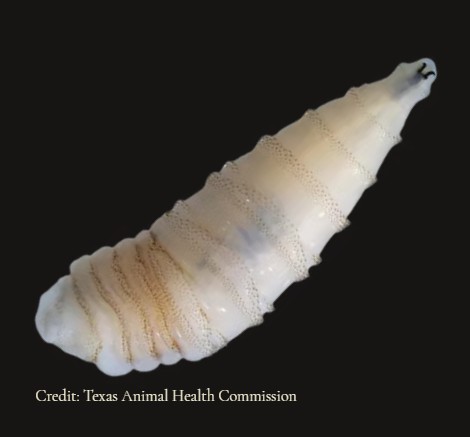
Unlike common fly maggots that feed on dead tissue, New World Screwworm larvae feed on living flesh.
The adult screwworm fly lays eggs in open wounds, surgical sites, navels of newborn animals, or even small scratches. Once the eggs hatch, the larvae burrow into healthy tissue and continue feeding, creating increasingly severe wounds.
According to USDA and CDC information, New World Screwworm can affect:
- Horses
- Cattle
- Sheep
- Goats
- Swine
- Wildlife
- Pets
- Humans
Without treatment, infestations can become severe and may even be fatal.
Why This Is Significant
For decades, New World Screwworm was considered one of the most economically devastating livestock pests in the Americas.
The United States successfully eradicated the pest through a long-running cooperative effort that began in the southeastern United States in the 1950s. According to research published by J.H. Wyss, eradication efforts gradually expanded through Mexico and Central America to create a protective barrier that helped keep the pest out of the United States.
For many years, the program was considered one of the greatest successes in animal health and pest management.
Now, after advancing northward through Central America and Mexico, New World Screwworm has once again been detected in the United States.
Current Situation
As of June 3, 2026:
- The first confirmed U.S. animal case has been reported in Zavala County, Texas.
- More than 171,700 animal cases have been reported in Mexico and Central America.
- More than 2,070 human cases have been reported in affected regions.
- South America remains endemic for the parasite.
Federal agencies including USDA, CDC, and state animal health officials are actively monitoring and responding to the situation.
What Does This Mean for Colorado?
At this time, Colorado is not considered an affected area and the risk to Colorado horses and livestock remains low.
However, Colorado owners should pay particular attention if:
- Horses are traveling to or from affected areas.
- Livestock are imported from regions with active cases.
- Animals are competing, breeding, or being transported across international borders.
- New animals are being introduced into a herd or boarding facility.
Because Colorado has a highly mobile equine industry, staying aware of emerging animal health threats is important even when outbreaks occur hundreds of miles away.
Signs of New World Screwworm Infestation
Early detection is critical.
Affected animals may exhibit:
- Wounds that fail to heal normally
- Enlarging wounds despite treatment
- Bloody discharge from wounds
- Foul odor coming from a wound
- Irritation, discomfort, or excessive rubbing
- Visible maggots within a wound
The larvae often burrow deeper into tissue, causing damage that becomes progressively worse if left untreated.
Any suspicious wounds should be examined by a veterinarian immediately.
Prevention Tips for Horse and Livestock Owners
While Colorado is currently considered low risk, good wound management and fly control are always important.
Inspect Animals Regularly
Check horses and livestock frequently for:
- Cuts
- Scrapes
- Sores
- Surgical sites
- Castration wounds
- Branding sites
- Umbilical areas on newborn animals
Practice Aggressive Fly Control
Reducing fly populations helps lower the risk of many diseases and parasites.
Consider:
- Fly predators
- Fly traps
- Manure management
- Fly sprays and repellents
- Proper drainage around barns and paddocks
- Remove all sources of standing water
Treat Wounds Promptly
Even minor wounds should be:
- Cleaned
- Monitored
- Protected from flies
Open wounds are one of the primary opportunities for screwworm flies to lay eggs.
Monitor Traveling Animals
If your horses or livestock travel to states or countries with active cases, perform thorough inspections upon return and consult your veterinarian if any unusual wounds develop.
Stay Informed
The screwworm situation continues to evolve, and outbreak locations may change as surveillance efforts continue.
Colorado horse and livestock owners should monitor updates from:
- USDA APHIS
- Colorado State Veterinarian’s Office
- CDC
- Local veterinarians
Current outbreak information can be found through USDA’s official New World Screwworm tracking resources and Screwworm.gov.
The Bottom Line
New World Screwworm is not currently a significant threat to Colorado horse owners, but its return to the United States is a reminder that animal health threats can re-emerge even after decades of successful control.
For now, the best defense is awareness. Monitor wounds carefully, maintain strong fly control programs, and stay informed if your animals travel to areas where cases have been reported.
Colorado Horse Forum will continue monitoring developments and provide updates if the situation changes.
Factsheet from APHIS: https://www.aphis.usda.gov/sites/default/files/nws-myth-busters.pdf
CDC situation summary: https://www.cdc.gov/new-world-screwworm/situation-summary/index.html
Link to currently confirmed cases in the United States: https://www.aphis.usda.gov/animals/animal-health/livestock-and-poultry-disease/current-status/us-confirmed-cases-new-world
References
- USDA APHIS. New World Screwworm Facts and Myth Busters.
- CDC. New World Screwworm Situation Summary (June 2026).
- Wyss, J.H. (2000). Screwworm eradication in the Americas. Annals of the New York Academy of Sciences.
- USDA APHIS Current Status of U.S. Confirmed Cases of New World Screwworm.

Author: Una
Una moved to Colorado in 2007 and started the Colorado Horse Forum as a way to meet other equestrians in the area. Una now rides and competes in dressage. She operates a small dressage horse breeding program in Castle Rock.



Leave a Reply
You must be logged in to post a comment.