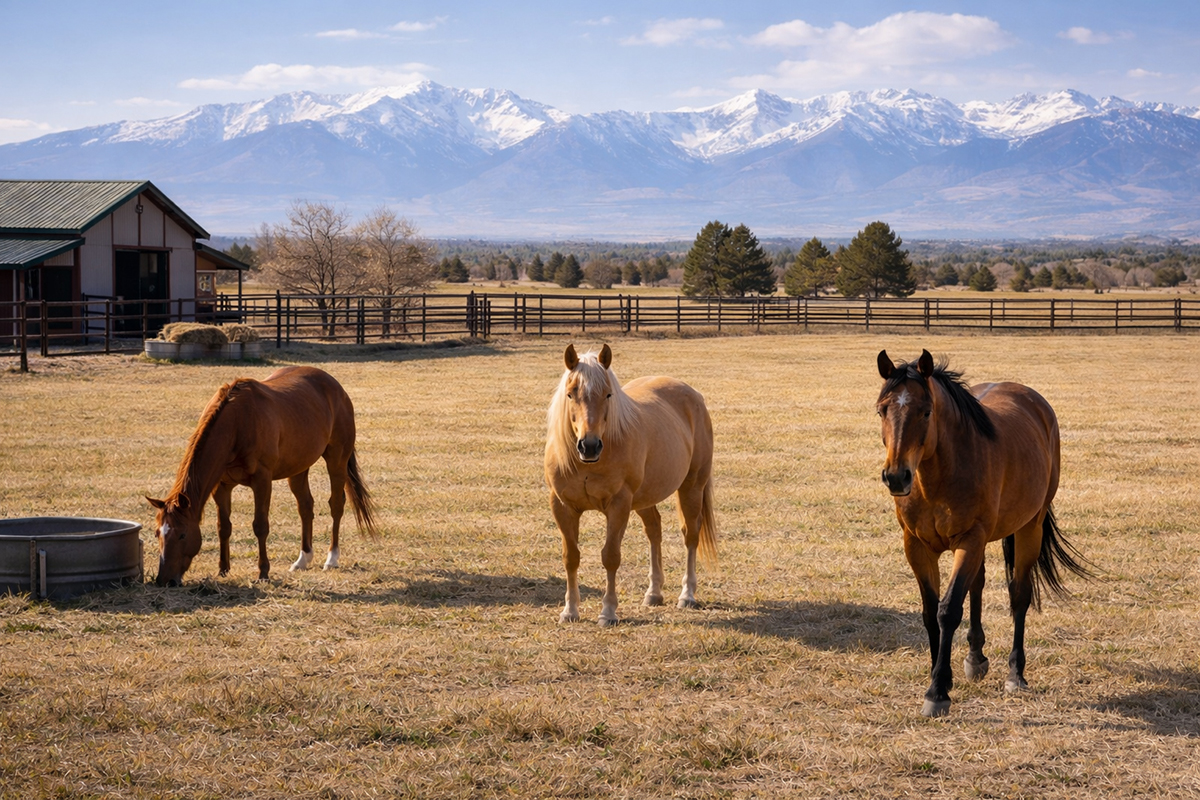

Colorado is a wonderful place to own horses—but it’s also a state that requires adaptability, planning, and a good understanding of local conditions. From dramatic weather swings and limited pasture to water availability and access to veterinary care, horse ownership here looks different than it does in many other parts of the country.
Whether you’re new to horses in Colorado or have lived the Colorado horse life for decades, these are some of the most important things to know about keeping horses healthy, comfortable, and thriving in our state.
Colorado Weather: Expect the Unexpected
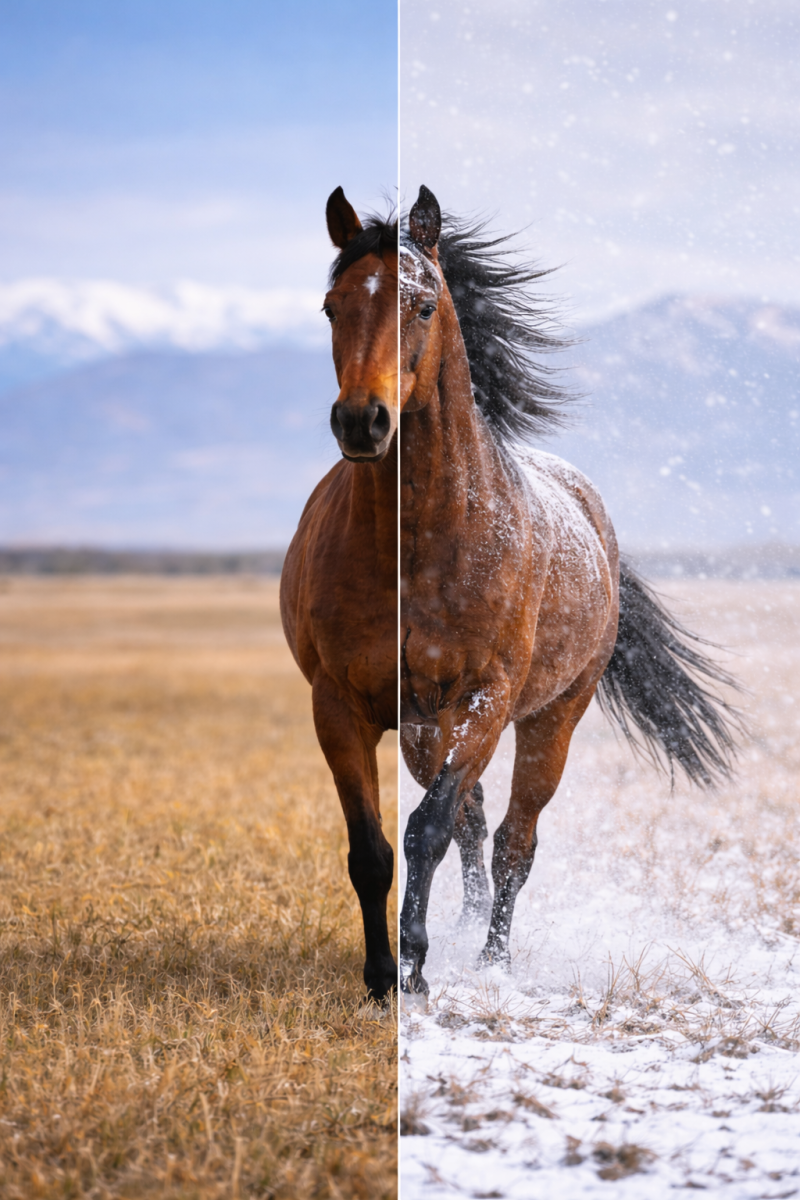
Colorado weather can change quickly and dramatically. Warm, sunny days can turn into snowstorms overnight, and temperature swings of 30–40 degrees in a single day aren’t uncommon.
For horse owners, this means preparation is key. Horses generally tolerate cold well, but wind, moisture, and rapid changes can stress even the hardiest animals. Year-round access to shelter is essential—not just for winter, but also for protection from wind, hail, and intense summer sun. Blanketing should be flexible and based on the individual horse, not the calendar.
Frozen water sources are another constant challenge. Keeping water available and unfrozen in winter is critical, as decreased water intake can increase the risk of impaction colic. Colorado weather rewards owners who stay adaptable and proactive rather than reactive.
Hay Availability and Hay Types in Colorado
Hay is one of the biggest considerations for horse owners in Colorado, and availability can vary widely from year to year. Our hay supply is closely tied to snowpack, irrigation water, and weather patterns, meaning drought years or poor snowpack can significantly impact both price and quality.
Common hay types in Colorado include:
- Grass hays such as timothy, orchard grass, brome, and native grass mixes
- Alfalfa
- Grass/alfalfa mixes, which are popular for balancing nutrition
Many Colorado horses do very well on grass hay, which is often lower in sugar and starch—an important factor for easy keepers, metabolic horses, and those with PPID (Cushing’s). Alfalfa can be an excellent forage but is typically fed in moderation due to its higher protein and calorie content.
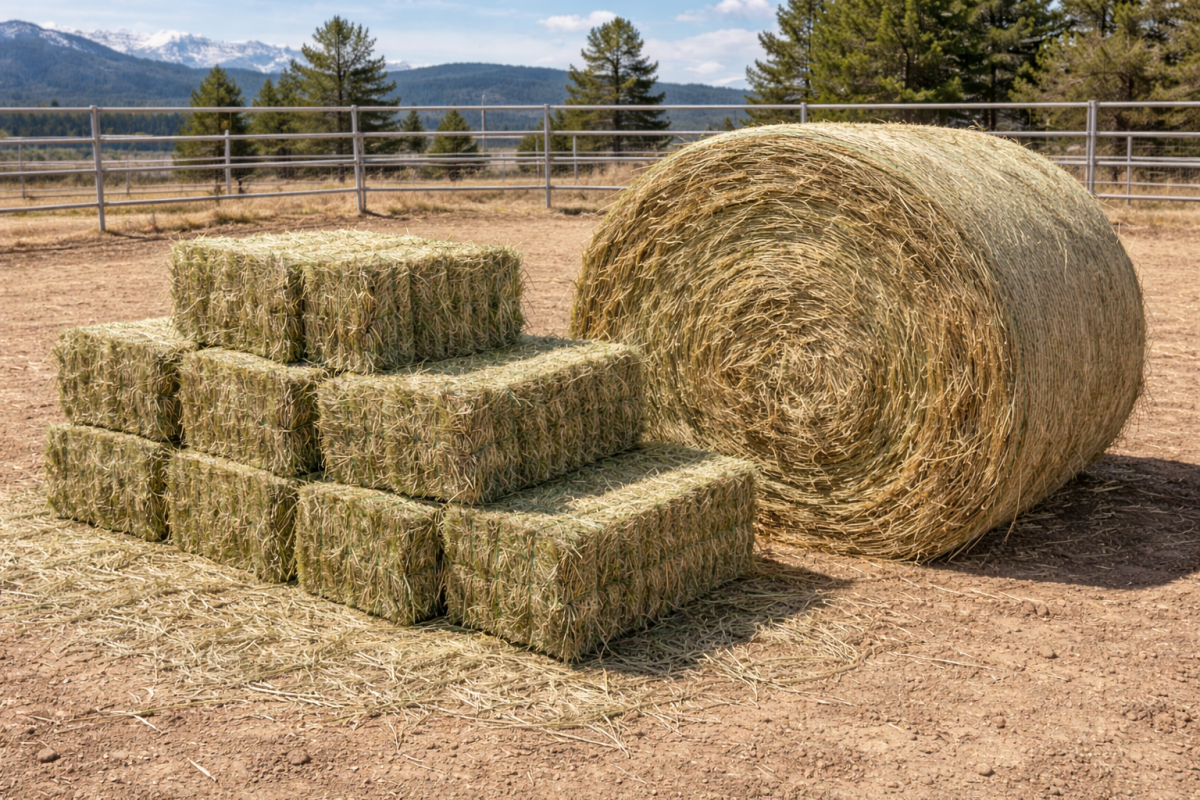
Hay quality exists on a broad spectrum. At one end is high-quality, horse-approved hay; in the middle are hays that provide adequate nutrition but may be less palatable; and at the lower end is hay typically designated for cattle. In Colorado, all of these options are commonly sold in a range of bale sizes, including small square bales, 3×3×8 bales, 3×4×8 bales, and round bales.
Because supply can tighten quickly, many horse owners secure hay early, sometimes purchasing several months—or even a full year—in advance if they have adequate storage. Hay testing is strongly recommended, as visual appearance alone doesn’t reflect nutritional value. Proper storage is also critical; while Colorado’s dry climate reduces mold risk, it increases fire risk, making ventilation and spacing especially important.
Having backup hay sources and a flexible feeding plan can make a big difference during challenging years.
Water in Colorado: Why Snow Really Matters
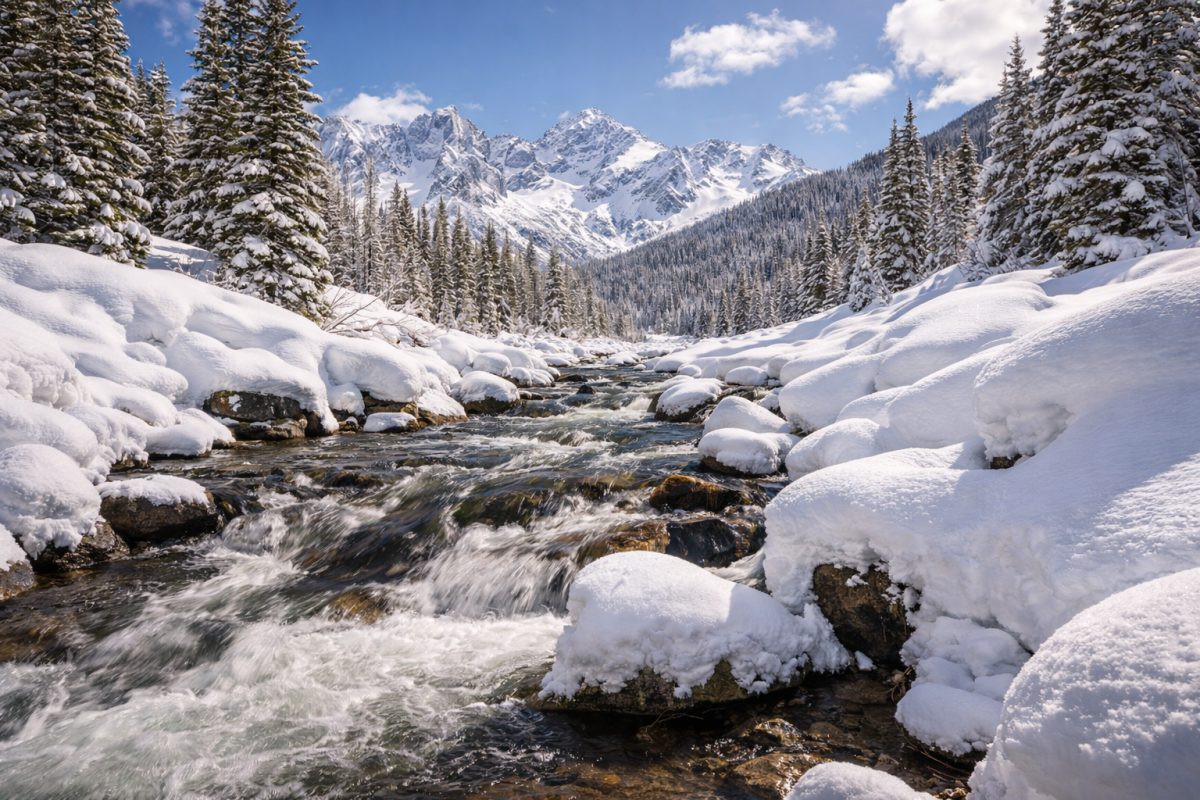
Nearly all of Colorado’s water supply begins as snowpack in the mountains. While snowy winters can make daily chores more difficult—especially when hauling water or breaking ice—snow is absolutely essential to horse ownership in this state.
Snowpack melts slowly in the spring and early summer, feeding rivers, reservoirs, irrigation systems, and groundwater. Low snow years often lead to water restrictions, reduced hay yields, and higher hay prices later in the year. In other words, snow directly impacts forage availability and long-term water security for horses.
On an individual level, hydration is especially important in Colorado’s dry climate. Horses lose moisture more easily through respiration, even in cold weather. Owners should monitor water intake year-round, keep tanks clean and unfrozen, and work with their veterinarian on appropriate salt or electrolyte supplementation when needed.
While snow may slow chores, it plays a vital role in sustaining the entire ecosystem in Colorado.
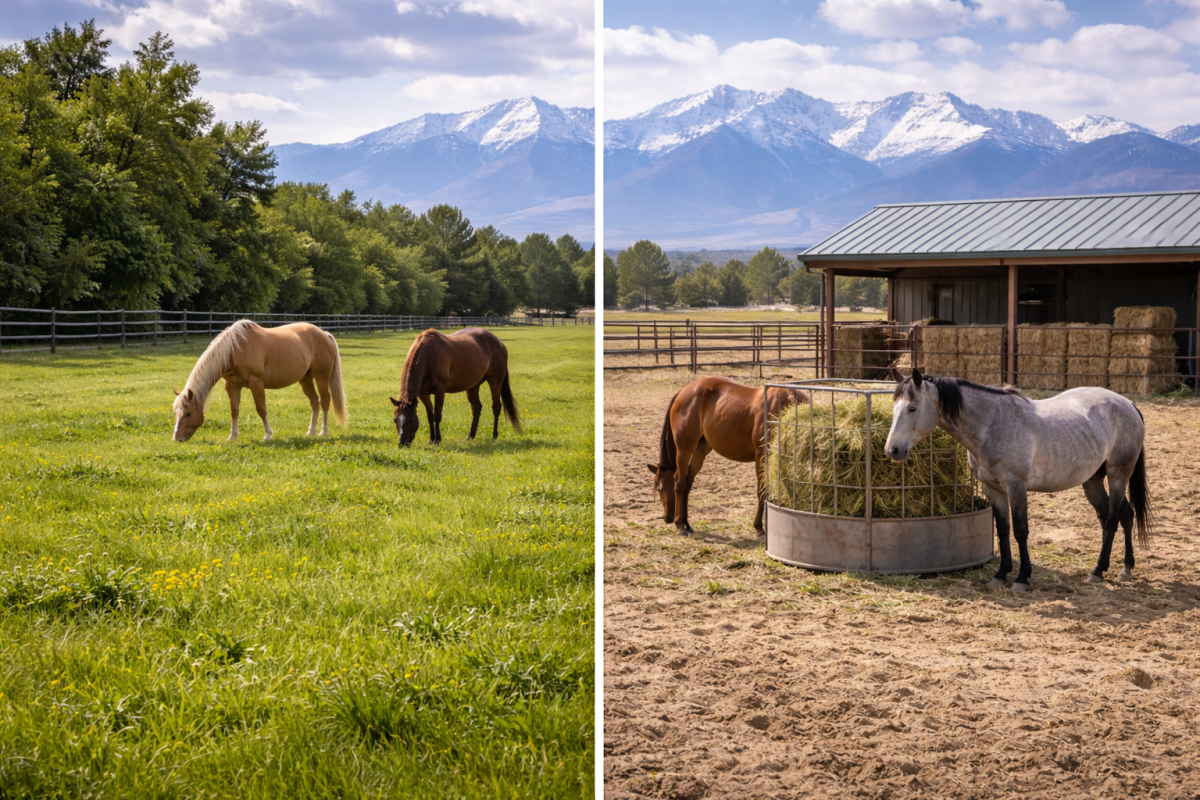
Pasture Limitations and the Role of Dry Lots
Pasture in Colorado is often sparse, seasonal, or limited by water availability. Native grasses tend to be lower in sugar, which can be beneficial, but pasture alone rarely meets a horse’s nutritional needs year-round and can be overgrazed MUCH more easily than other states with more reliable natural water sources and higher humidity.
This is why dry lots are so common across the state.
A dry lot is an enclosed turnout area with little to no grass, typically surfaced with dirt, gravel, or specialized footing. Dry lots allow horses to move freely and socialize while owners carefully control forage intake.
Dry lots are especially helpful for:
- Easy keepers
- Horses with metabolic issues or laminitis risk
- Preventing pasture overgrazing
- Managing mud during spring thaw
Well-designed dry lots include safe fencing, shelter from wind and sun, good drainage, access to clean water, and hay fed in slow feeders to support digestive health. Many Colorado barns successfully combine limited pasture turnout with dry lot use, creating a balanced system that supports both horse health and land management.
Biosecurity and Travel Awareness
Colorado has a very active equine community, with frequent shows, clinics, trailering, and interstate travel. With increased movement comes increased disease risk.
Annual EIA (Coggins) testing, appropriate vaccinations, and basic biosecurity practices are essential. Avoid sharing needles or medical equipment, isolate new or returning horses when possible, and work closely with your veterinarian to tailor a health program based on your horse’s lifestyle and facility needs.
Good biosecurity protects not only your horse, but the broader equine community.
Why a Strong Relationship With Your Veterinarian Is Essential
Access to equine veterinary care in Colorado can be limited, especially in rural areas or during peak seasons. Many practices are stretched thin, and emergency availability is often prioritized for established clients.
Maintaining a relationship with your veterinarian through routine care—vaccinations, dental work, wellness exams, and annual testing—helps ensure:
- Faster response in emergencies
- Familiarity with your horse’s health history
- Better communication and decision-making
It’s an uncomfortable reality, but some veterinarians simply cannot take on emergency cases for horses they don’t already serve. Being proactive with routine care builds trust and continuity, which can be invaluable when something goes wrong.
Colorado Is a Brand Inspection State—What That Means for Horse Owners
One important—and sometimes overlooked—part of horse ownership in Colorado is that Colorado is a brand inspection state. This means that horses are subject to brand inspection requirements to help establish legal ownership and prevent theft or fraud.
In most cases, a brand inspection is required when a horse is sold, transferred, transported out of state, or sometimes even moved long distances within the state. Even horses without a physical brand still require inspection, as the process documents ownership, descriptions, and identifying marks.
Brand inspections are handled by the Colorado Department of Agriculture’s Brand Inspection Division, and requirements can vary depending on the situation. Failing to obtain a required inspection can result in delays, fines, or complications during sales, transport, or emergency situations.
Because brand inspection rules can be nuanced—and sometimes confusing—it’s important for horse owners to understand when inspections are required and how to stay compliant.
We’ve put together a dedicated, in-depth guide to Colorado brand inspections, including when they’re required, how to schedule one, and what to expect: Read our full Colorado Brand Inspection Guide here.
Understanding brand inspection requirements is a key part of responsible horse ownership in Colorado and can save time, stress, and legal headaches down the road.
Community Resources Make a Difference
One of Colorado’s greatest strengths is its equine community. Our online Facebook Community, a variety of educational events, rescues, trainers, and shared resources all play a role in supporting responsible horse ownership.
Staying informed, sharing knowledge, and supporting one another helps horses—and their people—thrive across the state.
Final Thoughts
Keeping horses in Colorado is incredibly rewarding, but it comes with unique responsibilities. Understanding local weather patterns, water dependence, forage availability, veterinary access, and land management realities helps set both horses and owners up for success.
With thoughtful planning and strong community connections, horses in Colorado can live healthy, comfortable lives year-round.
Have tips or lessons learned from owning horses in Colorado? Drop them in the comments—we’re always better when we learn from each other..

Author: Una
Una moved to Colorado in 2007 and started the Colorado Horse Forum as a way to meet other equestrians in the area. Una now rides and competes in dressage. She operates a small dressage horse breeding program in Castle Rock.



Leave a Reply
You must be logged in to post a comment.