
Your horse’s well-being is always the top priority. Our Horse Health category offers trusted information on illness prevention, veterinary care, common conditions, and overall wellness. From understanding symptoms to strengthening daily health routines, these articles empower horse owners to make informed decisions and provide the best possible care for their equine partners.
-
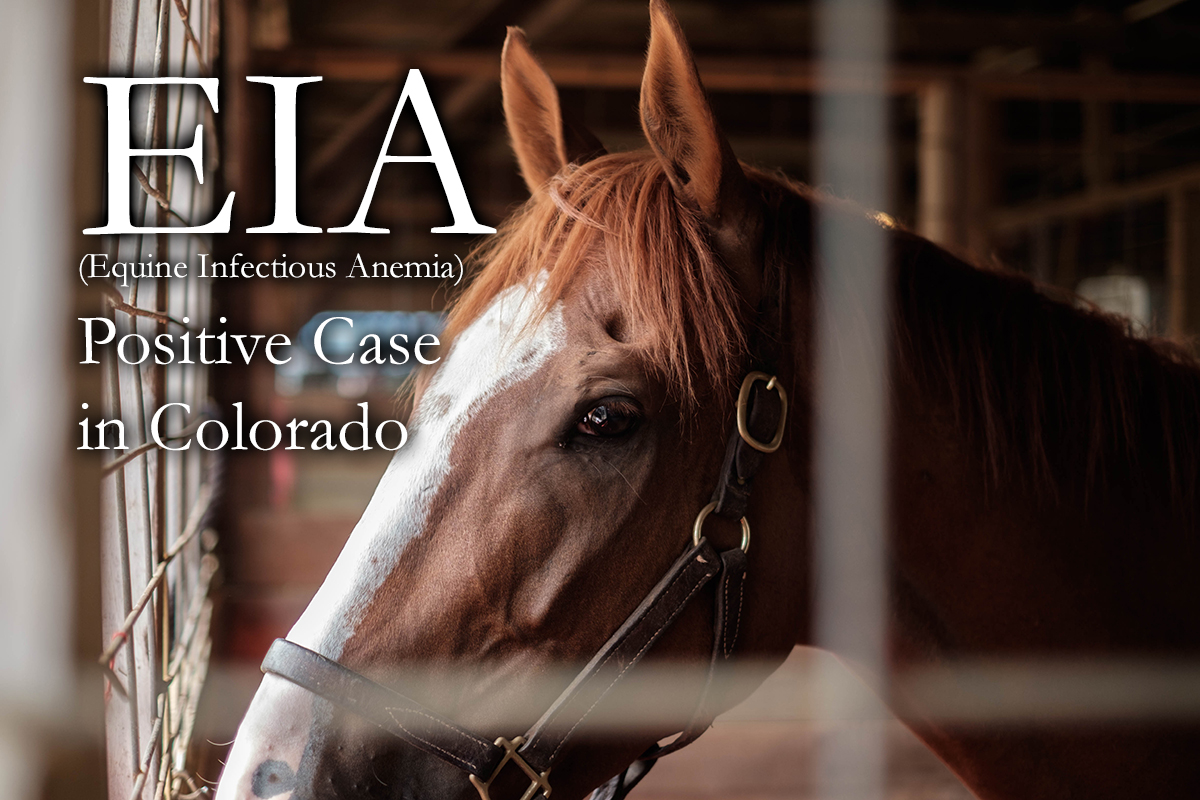
EIA (Equine Infectious Anemia) – EIA Positive Horse in Colorado
Read more: EIA (Equine Infectious Anemia) – EIA Positive Horse in ColoradoFOR IMMEDIATE RELEASEMay 8, 2017 Contacts: Christi Lightcap, (303) 869-9005, Christi.Lightcap@state.co.us Dr. Keith Roehr, (303) 869-9130, Keith.Roehr@state.co.us EIA-Positive Horse Identified In Colorado BROOMFIELD, Colo. – On May 4, 2017, the Colorado Department of Agriculture, State Veterinarian’s Office, was notified by the US Department of Agriculture’s National Veterinary Services Laboratory (NVSL) that a Weld County…
-
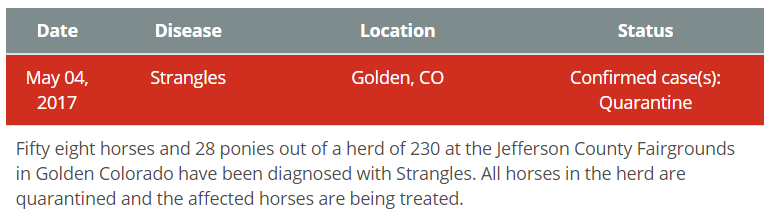
Are there any current disease outbreaks in Colorado? The short answer is YES.
Read more: Are there any current disease outbreaks in Colorado? The short answer is YES.There have been a LOT of posts floating around the interwebs about strangles and disease outbreaks in Colorado. Heritage Equine from Parker, Colorado and the Equine Disease Communication Center have confirmed this to be true.
-

Hands in Horses
Read more: Hands in HorsesAs you may (or may not) know, horses are measured in hands. And not everyone knows exactly what that means; we will clarify that for you. One hand = 4 inches. A “tall horse” to you does not mean it is 16+ hands. It could still very well be 15.1 hands. It’s important you actually…
-
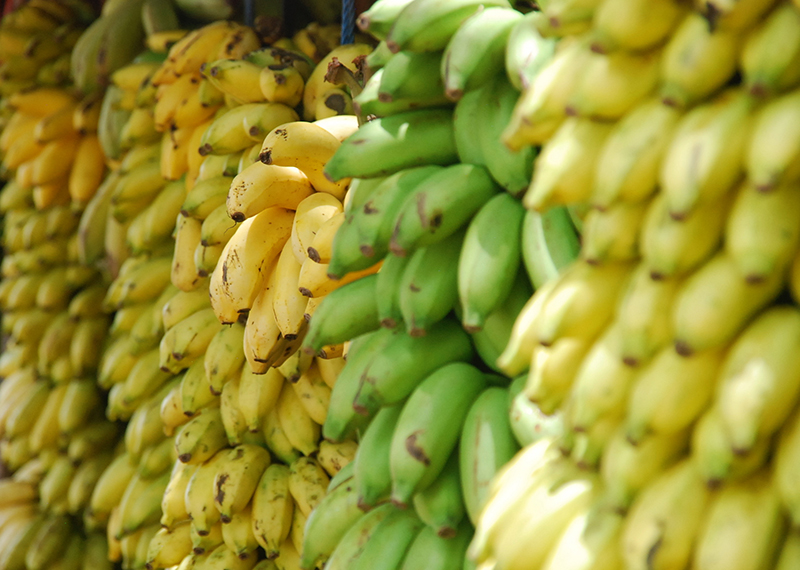
Bananas and Your Horse
Read more: Bananas and Your HorseHorses can most certainly eat bananas! However like humans, horses have their own taste palate, so some horses may not enjoy bananas. Not only do bananas offer a great treat alternative, they also provide a great source of potassium. Horses can even eat the banana peel.
-
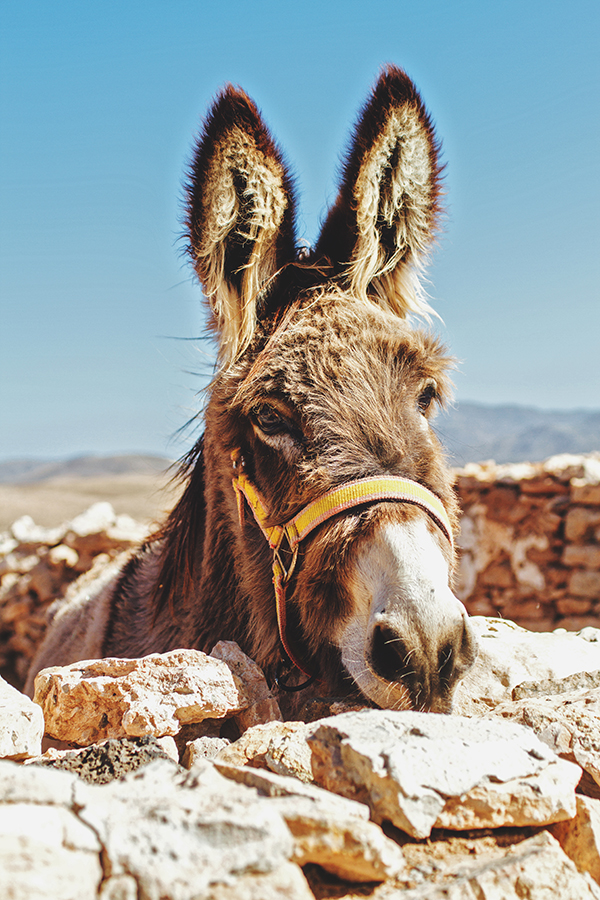
Ten surprising things you didn’t know about donkeys!
Read more: Ten surprising things you didn’t know about donkeys!We partnered with Foghorn Farm Donkey Training to bring you this informational article on donkeys! Donkeys are one of the most misunderstood domestic animals on the planet. Sure, they look like little horses with long ears, but they are actually a completely different species. Because horse people often decide to keep donkeys as pasture pals…
-
Rabies & Rabies Vaccinations in Colorado
Read more: Rabies & Rabies Vaccinations in Coloradoby N. Striegel1 Rabies in horses is caused by a virus of the Rhabdovirus family and causes a severe, rapidly progressive neurological disease. It is transmitted via saliva, most commonly through bite wounds from an infected wild animal bite. Symptoms can appear in as little time as two weeks but can take up to one…
-
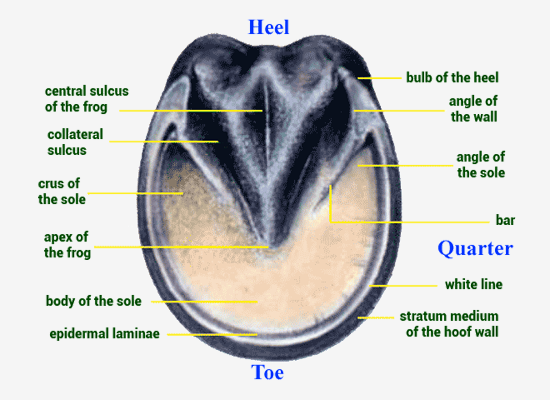
Meet the hoof!
Read more: Meet the hoof!The hoof is one of the most important parts of the horse, without a good hoof, we have no horse “no hoof, no horse”. So it is important to understand what comprises the hoof, as well as some potential issues you may face with your horse’s hooves.
-
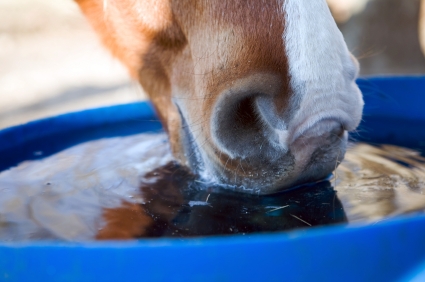
Keep your horse drinking & hydrated during these cold weather snaps
Read more: Keep your horse drinking & hydrated during these cold weather snapsMost of the year it is pretty easy to keep your horse drinking to stay healthy & hydrated, just provide clean water. But getting a horse to drink the approximate 10 gallons of water they need per day, during cold weather, can be quite a challenge at times. Not only is clean water important in…
-
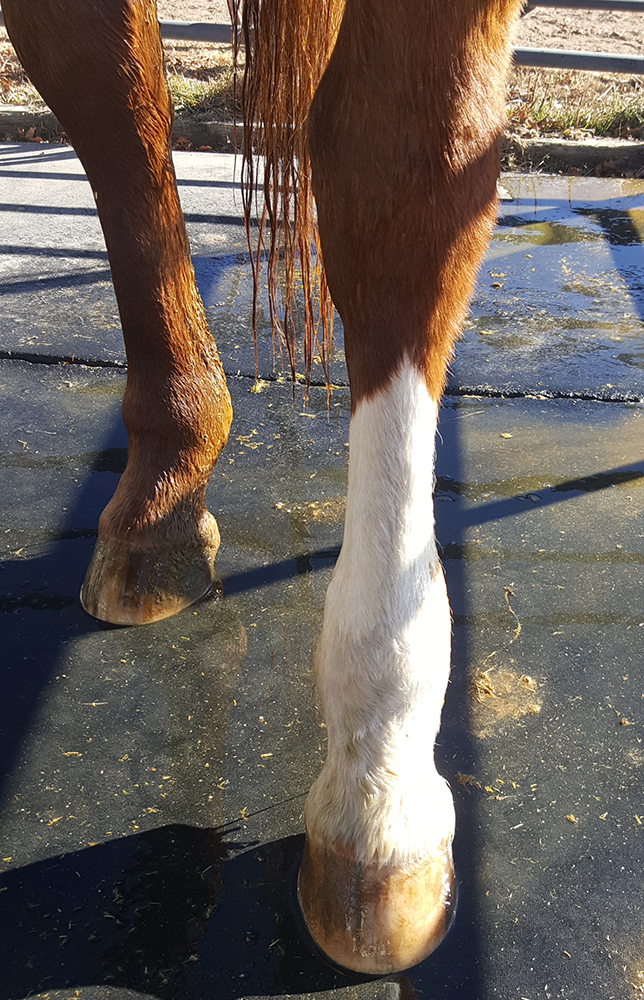
What is effusion in horses?
Read more: What is effusion in horses?We have teamed up with Dr. Bret Luedke and the team at Heritage Equine to give you a comprehensive article on joint effusion in horses. Effusion, by definition is an increased amount of fluid within the synovial compartment of a joint. This fluid accumulation can result from inflammation, infection or trauma.
-
 Colorado Horse News, Horse Care, Horse Health, Horse Ownership in Colorado, Horse Training & Showing
USEF Submits Comment on USDA’s Proposed Amendments to Horse Protection Regulations
Read more: USEF Submits Comment on USDA’s Proposed Amendments to Horse Protection RegulationsThe United States Equestrian Federation (USEF) has submitted a comment in response to the United States Department of Agriculture’s (USDA) proposed amendments to the regulations that implement the Horse Protection Act. In its comment, the USEF seeks to partner with the USDA in the eradication of soring in equestrian sport. The USEF commends the USDA…
Search

About Una
Una moved to Colorado in 2007 and started the Colorado Horse Forum as a way to meet other equestrians in the area. Una now rides and competes in dressage. She operates a small dressage horse breeding program in Castle Rock.
Site Sponsors


Latest news
- Fence In vs. Fence Out: Did You Know Colorado Is a Fence-Out State?
- USEF Updates Competition Medication Rules for Cetirizine and Methocarbamol
- New Cases of Vesicular Stomatitis Confirmed in Southwest Colorado
Categories
- Barn Life (2)
- Colorado Horse Events (8)
- Colorado Horse News (86)
- Community (1)
- Equestrian Grammar (3)
- Equine Education and Grants (2)
- Equine Welfare Programs (3)
- Facebook Group Articles (2)
- Facility Management (47)
- Giveaways & Sales (2)
- Health Alerts (3)
- Horse Breeding (3)
- Horse Care (79)
- Horse Feed & Nutrition (16)
- Horse Health (84)
- Horse Ownership in Colorado (256)
- Horse Shopping (1)
- Horse Tack (10)
- Horse Training & Showing (48)
- Local Highlight (3)
- Product Reviews (8)
- Research (1)
- Tack Collections (12)
- Travel (4)